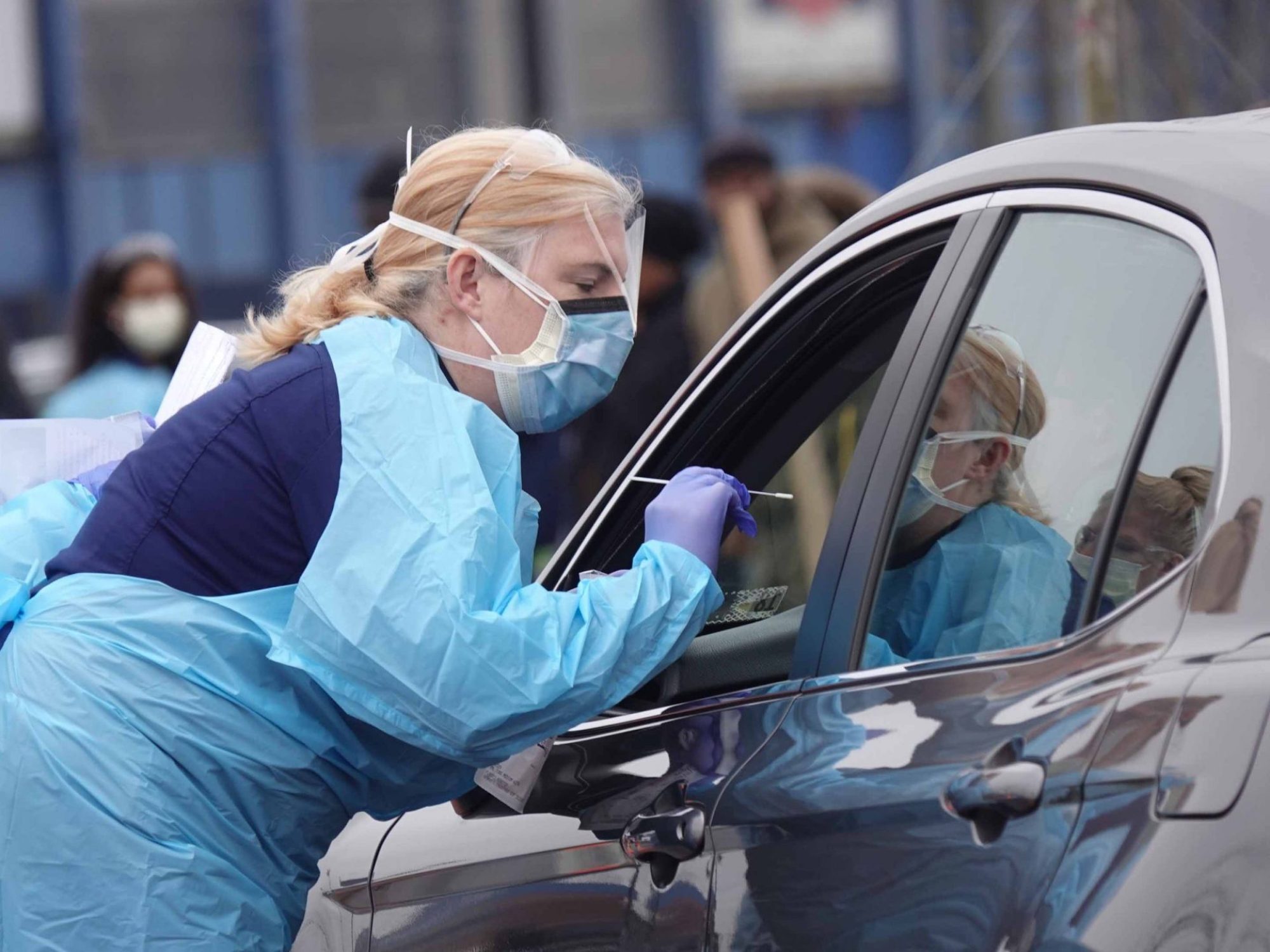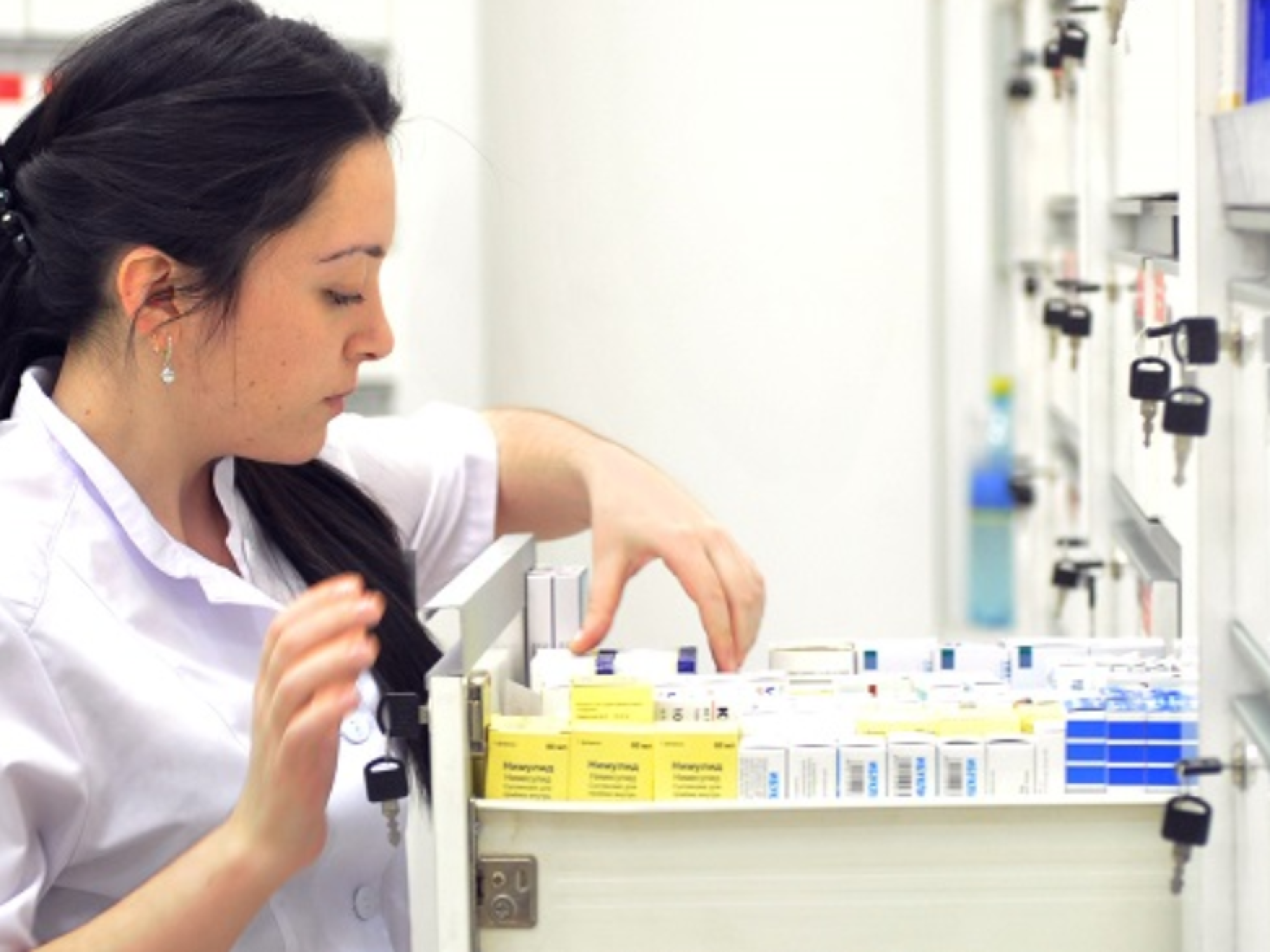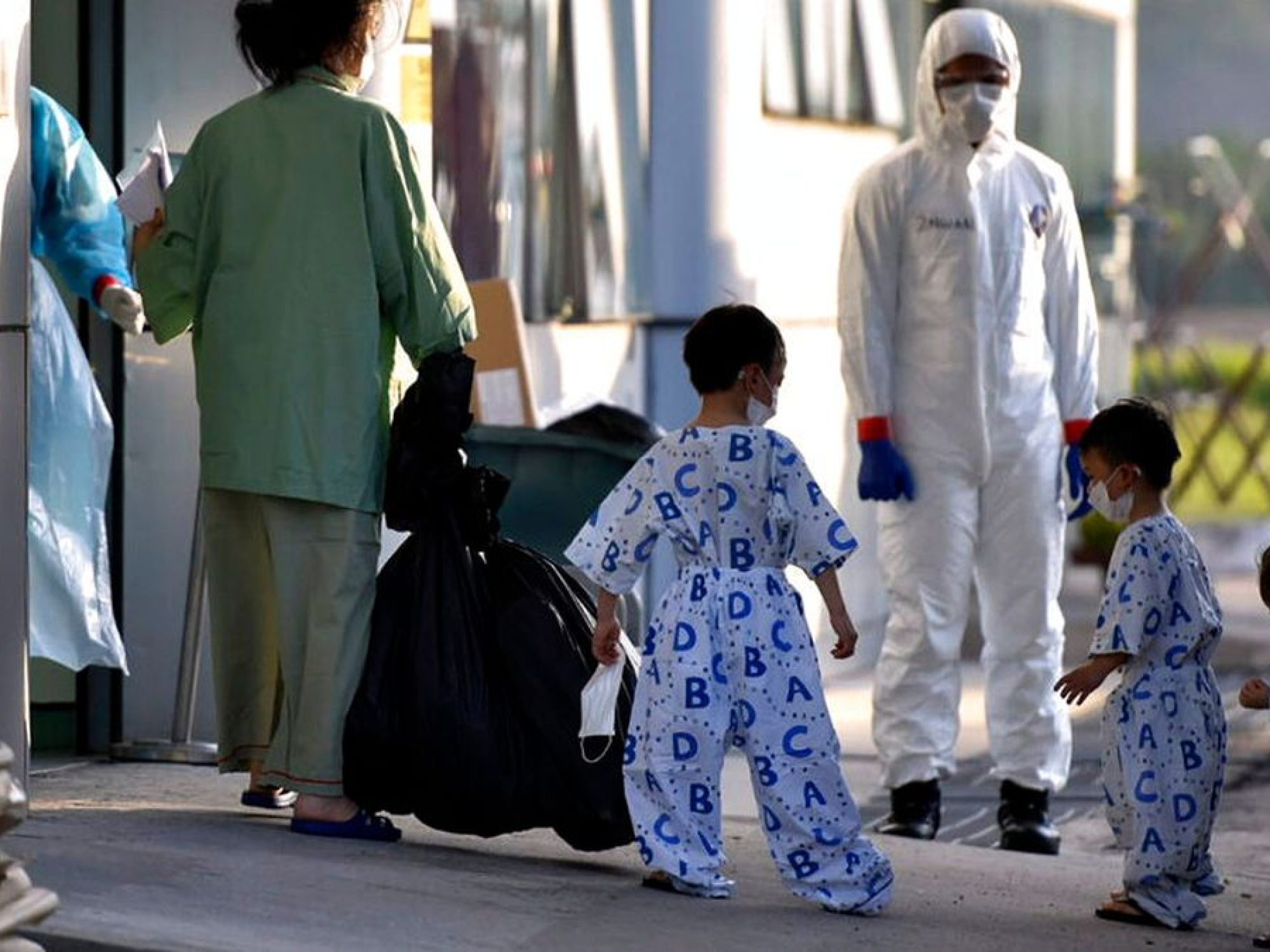
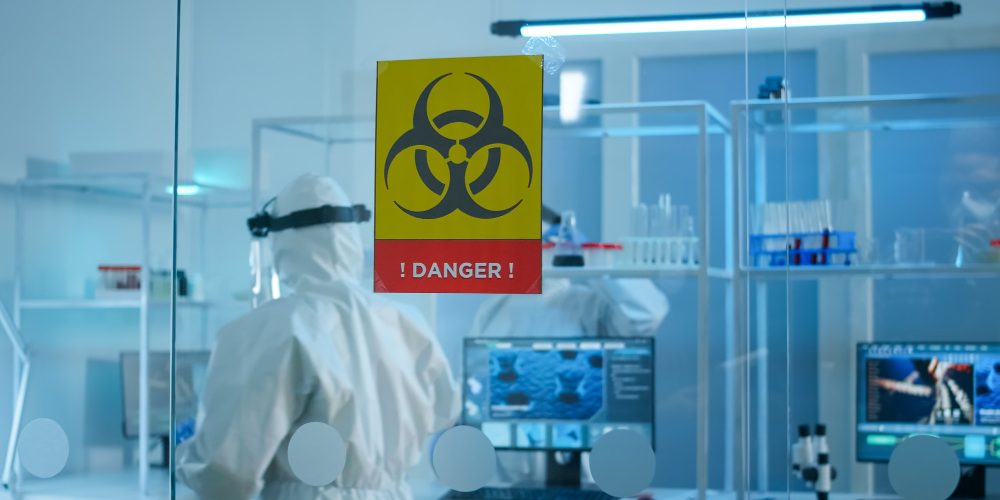
In times of armed conflict, the availability of essential medicines and emergency medical kits becomes one of the most critical humanitarian priorities. War zones create sudden surges in trauma injuries, infections, burns, dehydration, and chronic disease complications. In such environments, rapid deployment of war emergency medical supplies can mean the difference between life and death.
Countries in the Middle East—including **Iran, Bahrain, Kuwait, Jordan, Qatar, and the United Arab Emirates—are strategically important in regional humanitarian response networks. Governments, healthcare organizations, and pharmaceutical manufacturers collaborate to ensure that emergency kits reach hospitals, field clinics, and civilian shelters as quickly as possible.
According to guidance from the World Health Organization (WHO), war emergency kits must contain trauma care equipment, essential medicines, chronic disease treatments, and contamination protection tools to address the full spectrum of wartime medical emergencies.
Why Emergency Medical Kits Are Critical During War
Armed conflicts generate three major healthcare challenges:
-
Mass casualty trauma injuries
-
Outbreaks of infectious diseases
-
Disruption of treatment for chronic illnesses
Hospitals may become overwhelmed or damaged, supply chains may collapse, and civilian populations may lose access to pharmacies. Emergency medical kits are designed to operate in field hospitals, refugee camps, and temporary clinics, allowing healthcare workers to stabilize patients until advanced care becomes available.
In regions near conflict zones or refugee migration routes, countries like Jordan and Kuwait often serve as logistical hubs for humanitarian relief operations.
Key Components of War Emergency Medical Supplies
1. Trauma and Combat Care Equipment
The most urgent priority in war zones is controlling bleeding and stabilizing traumatic injuries. Combat trauma kits typically contain specialized equipment used by military medics and emergency physicians.
Essential Trauma Supplies
-
Tourniquets – Stop severe bleeding from limb injuries
-
Pressure bandages – Provide compression for hemorrhage control
-
Chest seals – Treat penetrating chest wounds
-
Chest decompression needles – Relieve tension pneumothorax
-
Haemostatic dressings – Accelerate blood clotting in severe wounds
These tools are designed for rapid intervention in battlefield or disaster environments, where immediate surgical care may not be available.
2. Essential Medicines and Emergency Pharmaceuticals
War conditions increase the risk of infections, fever, inflammation, allergic reactions, and pain. Emergency pharmaceutical kits therefore include a broad range of life-saving medications.
Common Medicines in War Emergency Kits
| Medicine Type | Examples | Purpose |
|---|---|---|
| Antibiotics | Gatifloxacin | Prevent and treat infections |
| Pain relievers | Paracetamol | Reduce fever and mild pain |
| Anti-inflammatory drugs | Meloxicam | Manage inflammation and musculoskeletal pain |
| Antihistamines | Various agents | Treat allergic reactions |
| Anti-burn ointments | Silver-based creams | Prevent infection in burns |
| Anti-diarrheal medicines | Oral treatments | Control dehydration and gastrointestinal infections |
These medicines help stabilize patients suffering from injuries, infections, dehydration, and environmental exposure.
3. Chronic Disease Management During Conflict
One of the most overlooked humanitarian challenges in war zones is the continuity of care for chronic illnesses. Patients with diabetes, hypertension, asthma, and heart disease require ongoing treatment even during displacement or hospital shortages.
Essential Chronic Care Medicines
-
Insulin for diabetes management
-
Blood pressure medications for cardiovascular diseases
-
Asthma inhalers for respiratory emergencies
-
Cardiac drugs for patients with heart conditions
Maintaining access to these treatments prevents secondary health crises during prolonged conflicts.
4. Radiological and Chemical Protection Medicines
Modern warfare and industrial disasters can expose populations to radiological, biological, or chemical threats. Emergency kits therefore include specialized antidotes and protective medications.
Anti-Contamination Medical Supplies
-
Stable iodine tablets – Protect the thyroid from radioactive iodine exposure
-
Prussian blue – Used for radioactive contamination treatment
-
Hydroxocobalamin – Antidote for cyanide poisoning
-
Chemical exposure antidotes – For nerve agent or toxin exposure
These medicines are essential in nuclear, chemical, or industrial emergencies, where rapid treatment can prevent long-term health damage.
5. Hygiene and Basic First Aid Supplies
In conflict zones, infections often spread due to poor sanitation, contaminated water, and crowded shelters. Basic hygiene and wound care supplies are therefore essential.
Key Hygiene Items
-
Antiseptic wipes
-
Alcohol swabs
-
Sterile gauze pads
-
Surgical tape
-
Water purification tablets
-
Disposable gloves
-
Sterile bandages
These items help prevent infections and support basic wound care and sanitation in emergency conditions.
Strategic Importance of Middle Eastern Medical Supply Networks
Countries such as Qatar, Bahrain, and the United Arab Emirates play an important role in regional pharmaceutical logistics and humanitarian aid distribution. Their advanced infrastructure, ports, and air cargo hubs enable rapid deployment of medical relief supplies to crisis areas.
Pharmaceutical manufacturers and exporters in the region collaborate with international health organizations to supply WHO-standard emergency medical kits to hospitals and disaster response teams.
These coordinated efforts help ensure that critical medicines and trauma supplies reach frontline healthcare workers quickly, even under extremely difficult circumstances.
The Role of Pharmaceutical Manufacturers in Humanitarian Response
Global pharmaceutical manufacturers are increasingly involved in humanitarian medical supply programs. Companies capable of producing antibiotics, analgesics, anti-inflammatory drugs, and chronic disease medicines at scale can support emergency relief missions worldwide.
By maintaining strategic medicine stockpiles, fast regulatory approvals, and international logistics networks, pharmaceutical companies help humanitarian agencies respond faster to conflict-related health emergencies.
Preparing Emergency Medical Kits: Practical Advice
For governments, NGOs, and medical response teams, preparing emergency medical kits should follow a structured checklist:
War Emergency Kit Checklist
Trauma Care
-
Tourniquets
-
Compression bandages
-
Chest seals
-
Haemostatic gauze
Medicines
-
Broad-spectrum antibiotics
-
Paracetamol and NSAIDs
-
Anti-diarrheal medicines
-
Antihistamines
Chronic Disease Supplies
-
Insulin
-
Cardiovascular medicines
-
Asthma inhalers
Contamination Protection
-
Stable iodine tablets
-
Prussian blue
-
Cyanide antidotes
Hygiene Supplies
-
Antiseptic wipes
-
Sterile gauze
-
Water purification tablets
Proper packaging, temperature control, and labeling are essential to ensure medicines remain effective and safe in field conditions.
Conclusion
War zones create some of the most challenging medical environments in the world. Rapid access to trauma equipment, essential medicines, chronic disease treatments, and contamination protection drugs is vital for saving lives.
With coordinated efforts from governments, international organizations such as the World Health Organization, and pharmaceutical manufacturers, emergency medical kits can be delivered to crisis regions quickly and efficiently.
For countries across the Middle East—including Iran, Jordan, Kuwait, Bahrain, Qatar, and the United Arab Emirates—strong medical supply chains and emergency preparedness remain essential to protecting both civilians and healthcare responders during times of conflict.
Ensuring that “people don’t panic but pack emergency medical kits correctly” is a crucial step toward improving survival rates and maintaining healthcare resilience during wartime crises.